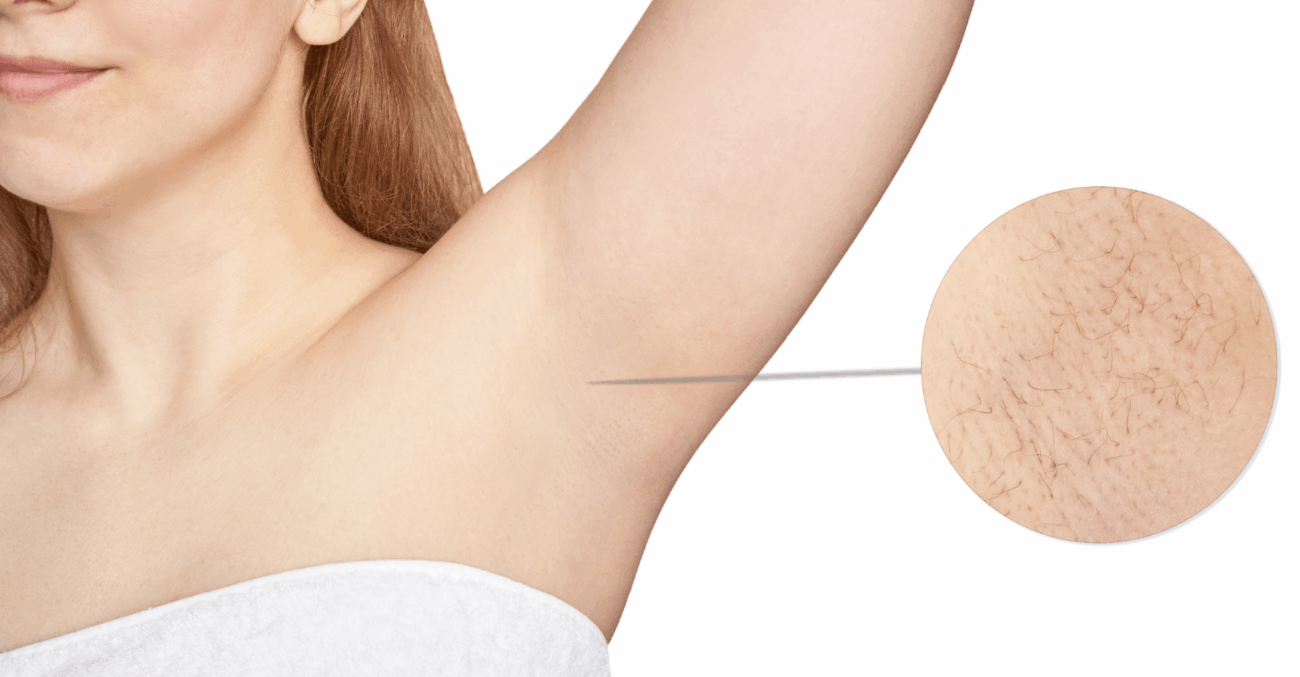
If you are exploring lasting hair removal solutions, you may have come across the term galvanic electrolysis. While laser hair removal and IPL treatments remain popular, they fail to offer results that will stand the test of time. Galvanic electrolysis is the only permanent hair removal method recognised by regulatory bodies. But what exactly is galvanic electrolysis, and is it the right choice for your hair removal needs? This guide will walk you through how it works and who it is best suited for. Let’s get started!
What is Galvanic Electrolysis
Galvanic electrolysis is a clinically proven technique that permanently removes unwanted hair. The process involves inserting an ultra-fine probe into the base of each hair follicle. Then, a small electrical current is applied, triggering a chemical reaction in the hair follicle. The reaction produces sodium hydroxide (lye) within the follicle. This chemical destroys the stem cells responsible for hair growth and ensures the hair does not grow back.
Unlike other electrolysis methods that rely on heat (such as thermolysis), galvanic electrolysis is purely chemical-based. This aspect makes it particularly effective for treating coarse hair growth. It is also highly effective on areas susceptible to hormone-induced hair growth, such as the chin, upper lip, and bikini line.
Is Electrolysis Really Permanent?
Yes, when performed by a skilled electrologist, the galvanic electrolysis process can permanently remove hair growth in the treated areas. However, since hair grows in cycles, multiple sessions are required to target all hair follicles during the active growth phase, commonly known as the anagen phase.
Who is Electrolysis Suitable For?
Galvanic electrolysis is suitable for all skin tones and hair types, unlike laser treatments that require the presence of the dark pigment melanin in the hair follicle. In addition, laser hair removal is ineffective for removing lighter-coloured hair, as well as hair growing on darker skin, but galvanic electrolysis consistently performs well, regardless of the presence of melanin. It’s especially effective for:
- People with grey, white, red, or blonde hair
- Those with sensitive or darker skin tones
- Clients with hormonal hair growth (e.g. PCOS, menopause, or HRT-related)
Galvanic electrolysis is also suitable for transgender people seeking facial and body hair removal, as well as nonbinary individuals seeking personalised grooming options.
Key Benefits of Galvanic Electrolysis
There are several reasons to consider galvanic electrolysis for permanent hair removal:
- It’s permanent, with results that last once the entire course of treatment is completed.
- It works effectively on all hair colours, including grey, red, and blonde.
- It’s safe and suitable for all skin types, including darker skin tones.
- It allows for precise targeting of individual hairs, making it ideal for sensitive areas such as the chin or upper lip.
In addition, when it comes to electrolysis permanent hair removal, consistency is crucial. Hair grows in cycles, so multiple sessions are needed to target all follicles in their active phase. Your treatment plan will depend on your hair growth density, the treated areas, and underlying hormonal influences.
Safety and Professionalism
When performed by a qualified electrologist, galvanic electrolysis is a safe, clinically proven method with a track record of effectiveness. To ensure client safety, the clinic should adhere to strict hygiene protocols and use only single-use sterile probes. In addition, the electrologist should assess your needs and develop a customised plan prioritising comfort, effectiveness, and discretion.
Final Thoughts
Choosing a hair removal method or tool is a matter of personal choice, depending on the individual’s personal hygiene preferences. Electrolysis offers permanence and versatility that no other options can’t match. Whether you are dealing with stubborn facial hair, managing hormonal changes, or pursuing a gender-affirming path, galvanic electrolysis offers a reliable, inclusive, and permanent solution. Before beginning the treatment, you must discuss your goals, assess your skin and hair type, and map out a realistic timeline for results. After all, you can get smooth, radiant, permanently hair-free skin with professional guidance and a clear plan!
